 English
 Deutsch
 Polski
 Français
 Čeština
 Nederlands
 Italiano
 Español
How to design a brand mascot
A brand mascot is designed in four steps: a written brief, two or three concepts, refinement of one, then turnaround sheets, a 3D model and usage rules. It takes three to five weeks, and it has to be buildable as well as drawable.
The short answer
Designing a mascot is a short project with a long life. The design stage takes three to five weeks and starts from €250 incl. VAT for a 2D character concept; turnaround sheets, the 3D model and the usage guide are quoted by scope. What comes out is the specification every later format is built from: the costume, the plush, the packaging, the app.
| Step | When | What you get |
|---|---|---|
| Brief | Week 1 | A written brief both sides agree on |
| Concepts | Week 2 | Two or three directions in 2D, deliberately different |
| Refinement | Week 3 | One direction tightened: proportions, colour, expression |
| 3D and turnarounds | Weeks 4–5 | Turnaround sheets, 3D model, expression set, usage rules, source files |
What goes into the brief?
A good brief is short and specific. Most weak characters come from briefs that describe the brand and say nothing about where the character has to work. Cover these points:
- Who it speaks to. Children, fans, customers, staff. The age range changes the face.
- Where it will appear. Pitch-side, shop floor, packaging, an app, a ward. List every format, including ones planned for later.
- What it must never look like. A competitor's animal, a local sensitivity, a tone your compliance team will not accept.
- Brand colours in Pantone, not a screenshot.
- Existing material: a logo, an old character, sketches. A logo already tells a designer the brand's temperature and level of detail.
- Hard dates and constraints. The first event, venue rules, a tender timetable.
Why two or three concepts?
Because a single concept invites polishing rather than choosing. Two or three directions that differ in species, shape or mood show you what the brief actually allows, and it is usually easier to say "that one, but friendlier" than to describe a character from nothing.
You pick one; it is refined. Our design stage includes two rounds of revisions at concept and two at refinement. If none of the concepts work, the brief was wrong, and we redo the concept stage once at our cost.
Turnaround sheets and 3D
A single hero illustration is not a design anyone can build. Turnaround sheets show the character from the front, side, back and three-quarter view, so a pattern cutter knows what the back of the head looks like. A 3D model lets you rotate the character and check proportions before anything is cut, and it can be reused later for animation or UI work.
The set also includes facial expressions and pose guidelines, and colour specifications in Pantone, CMYK and RGB.
Designing for costume and plush
A character that works on a screen can fail in fabric. Heads that look charming in 2D are often unwearable at full scale, and fine details vanish on a small toy. The constraints differ by format:
| Format | What the design has to allow for |
|---|---|
| Costume | Head weight and balance, a field of view for the performer through mesh eyes or the mouth, room for fans, and a silhouette that reads from the back of a stand. A finished costume typically weighs 6–9 kg. |
| Plush | A face that survives at 15 cm, few pattern pieces, no thin parts a child can pull off, and features that are embroidered or safety-locked to pass EN71-1 pull tests. |
| Print and packaging | A simplified version legible at about 20 mm on a wrapper. |
| Digital | An expression and gesture set rather than one hero pose, so the character can explain, guide or apologise on screen. |
This is the argument for designing and building in one place: the designer knows what a head can weigh and where a performer needs to see out, so nothing gets approved that cannot be made.
The usage guide
A mascot without rules drifts. Within a year, different departments draw different ears. The usage guide fixes minimum sizes, clear space, approved poses and expressions, colour values and a short list of what the character must never do or say. It is the document that keeps the character the same across agencies and years.
Who owns the character?
You should. On final payment all rights to a character we design transfer to you: exclusive, worldwide and unlimited in time, covering commercial use, merchandise, advertising, licensing and modification. Editable source files are handed over, not just exports, and there are no royalties or renewal fees. We keep only the right to show the work in our portfolio, and we drop that if you ask in writing.
If an existing character was drawn by an agency, check who owns that artwork before anyone adapts it.
Questions people ask
Can I design the mascot with you and produce it elsewhere?
Yes. Character design is a service on its own, and the files are yours either way.
Can you work from our existing flat character?
Yes. Send whatever files you have, vector if possible. We adapt the proportions so the character can be built, and produce turnaround sheets and a 3D model from it.
How long until a costume or plush exists?
After design approval, a costume takes 12–16 weeks and a plush run 8–12 weeks. See how long it takes to make a mascot and which format to start with.
What does the design stage cost for our character?
The 2D concept starts from €250 incl. VAT; the rest depends on scope. Details on the character design page, or send a brief for a written quote within two working days.
For reference
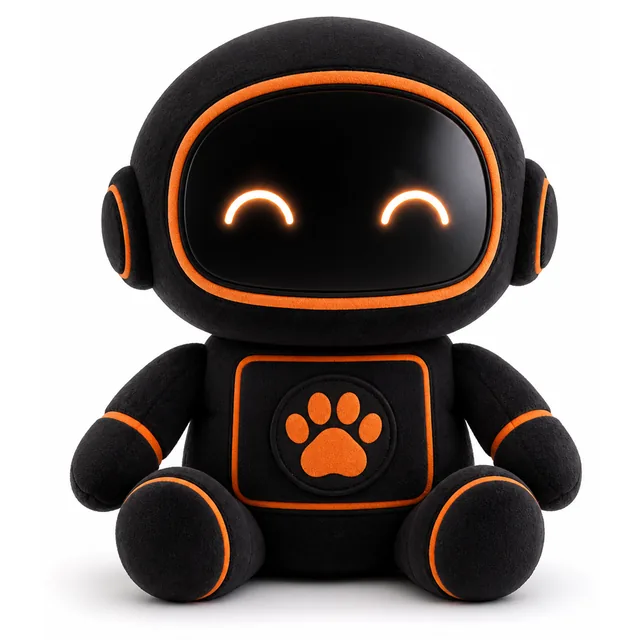
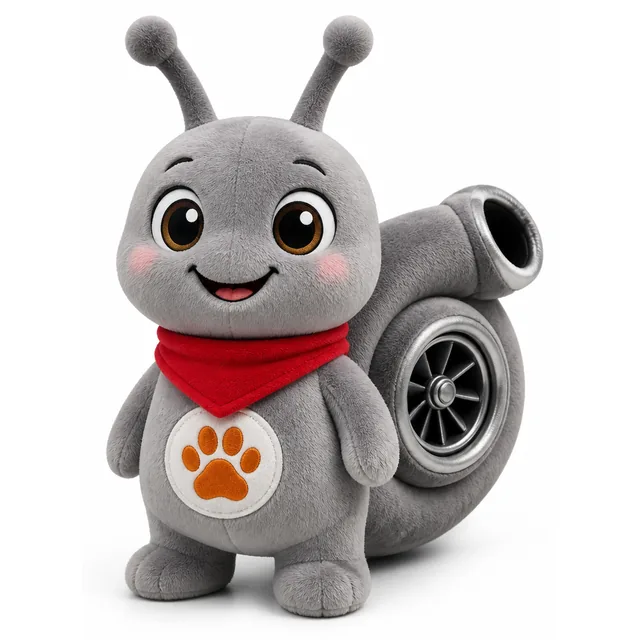
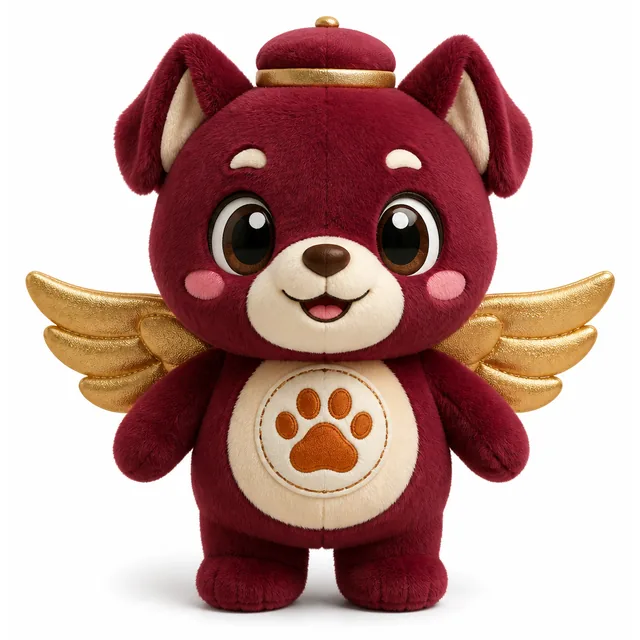
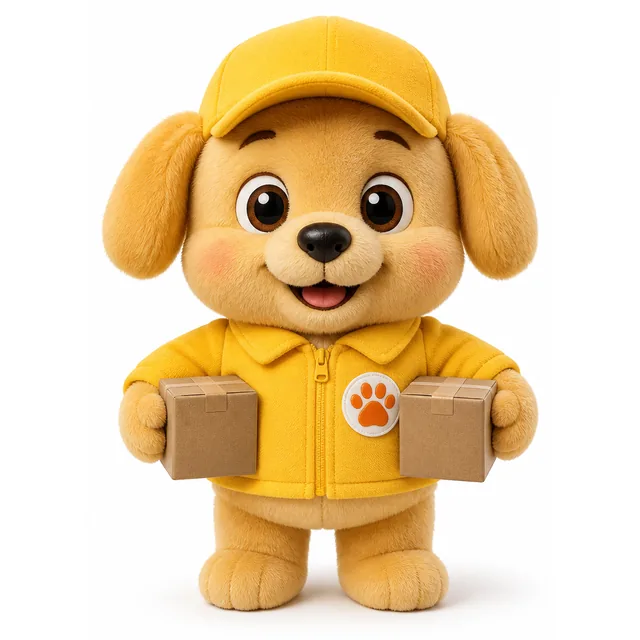
Studio visualisations of our own concepts.
Starting a character from scratch?
Send what you have, even two sentences. We will tell you what the brief still needs.
We reply within 1 hour on working days
