
 English
 Deutsch
 Polski
 Français
 Čeština
 Nederlands
 Italiano
 Español
How to care for a mascot costume
Wash the liners after use, spot clean the outer, dry everything away from heat and store the costume upright in a dry place. Most costume damage comes from damp storage and rough transport, not from performing.
The short answer
A mascot costume is a mix of foam, fur, fabric and electrics, and each needs different handling. The routine is simple once it is written down, and it is the difference between a costume that lasts several seasons and one that smells after six weeks.
| Part | How to clean | How often |
|---|---|---|
| Liners | Remove, machine wash at 30 °C, air dry | After every use |
| Inside face pad | Wipe and disinfect | After every use |
| Outer fur and body | Spot clean with a damp cloth and mild detergent; never machine wash | When marked |
| Head shell | Wipe the outer surfaces | After every use |
| Fans | Check they run, clear dust from the grilles, charge the batteries | Before every use |
| Gloves and feet | Spot clean, check seams and soles | Weekly in heavy use |
After every appearance
The first ten minutes after a performance matter most, because that is when sweat is still wet inside the costume.
- Take the head off first and stand it on its base or a head stand, never on its face.
- Remove the liners and put them in a separate bag for washing.
- Open every zip so air reaches the lining.
- Wipe the inside face pad with a disinfectant suitable for skin contact.
- Switch off the fans and take the batteries out to charge.
- Hang the body on a wide, padded hanger to air before it goes back into the case.
How do you wash the liners?
Liners are the part of the costume that touches the performer, and the part designed to be washed. Remove them and machine wash at 30 °C with a mild detergent, then air dry. Avoid fabric softener, which clogs the weave and holds odour, and do not tumble dry at high heat.
A second liner set is what makes back-to-back appearances workable: one set on the performer, one in the wash. Costumes that work daily, in parks or hotels, usually need more sets in rotation.
Cleaning the fur and the head
Fur. Spot clean marks with a damp cloth and a little mild detergent, working in the direction of the pile, then blot dry. Never put the outer in a washing machine: it can distort the shape, matt the fur and damage hidden structure. When dry, a wide-toothed brush run with the pile lifts flattened areas.
Head. Wipe the outer surfaces. Do not soak the foam, and never use solvents, which can attack foam and adhesives. Keep the mesh over the eyes or mouth clean, because it is the performer's view out.
Drying and storage
Air dry everything away from direct heat. A radiator, a heated room or a car in summer can warp foam and loosen glued parts.
Store the costume upright, with the head supported, in a dry space. Damp storage is the main cause of warranty claims we see: it brings mould and odour into the foam, where it is very hard to remove. Never store a costume that is still damp inside a sealed bag or case. Keep it out of direct sunlight, which fades dyed fur over time, and do not stack anything on the head.
Transport
Most physical damage happens between events, not during them. Carry the head in its own protected space so it cannot be crushed, pack the body loosely rather than folded tight, and keep gloves and feet in a separate compartment. A wheeled case is worth having if the costume travels by coach or to away fixtures. A costume in its case ships as oversized freight, roughly 1.2 × 0.8 × 0.8 m.
Fans and ventilation
The fans are what make the costume wearable, so treat them as safety equipment. Charge the batteries before every event, check both fans run before the performer dresses, and clear dust from the grilles. A cooling insert helps on warm days.
Even with good ventilation, plan for 25–30 minutes per shift at room temperature, then a break out of the head with water. Outdoors in summer, shorter. If a schedule needs more, the answer is a second costume or a second performer, not a longer shift.
Wear parts and repairs
Gloves, feet and liners wear with use and are meant to be replaced, not repaired forever. Fastenings and zips wear too. Our costumes ship with a care guide and a repair kit for small jobs such as a loose stitch.
Send the costume back when you see:
- a seam opening at a stress point: shoulders, crotch, where the head meets the body;
- a crack or soft spot in the head frame, or a head that no longer sits level;
- a fan that stops or rattles;
- fur thinning down to the backing;
- an odour that survives washing the liners.
On our costumes, seams, structure, head frame, fastenings, fans and electrics carry a 12-month warranty from delivery; fur and outer fabric 12 months against defects, not wear. Damage from misuse or damp storage is excluded. After the warranty we repair at cost with a two-week turnaround, from the original patterns. Send a photo first: many problems can be fixed locally with instructions.
Questions people ask
Can a mascot costume go in the washing machine?
Only the liners, at 30 °C. The outer and the head are spot cleaned and wiped.
How do I stop a costume from smelling?
Wash the liners after every use, dry the costume fully before packing it and store it somewhere dry. Odour almost always comes from moisture trapped in foam.
How many liner sets do I need?
Two for occasional use; more for daily work. Our park and resort packages include four spare liners per costume. See what ships with a costume.
Where are the full care instructions?
On the quality and compliance page. For warranty terms, see how we work; to price a replacement liner set or a repair, send a short message.
For reference
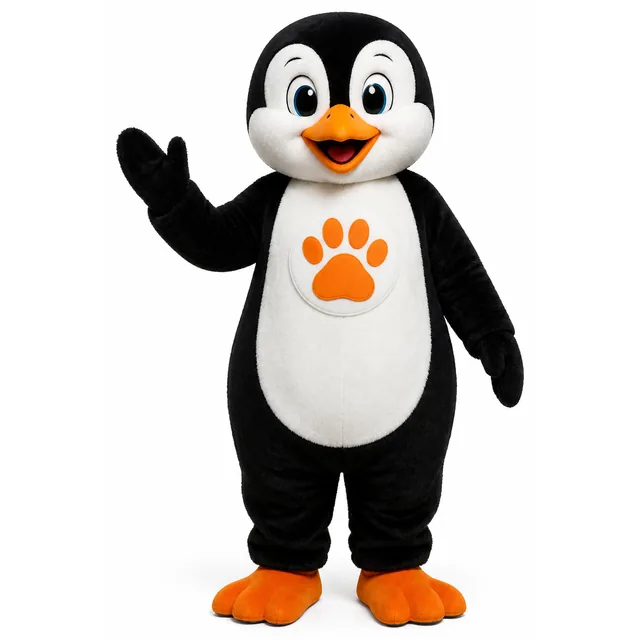
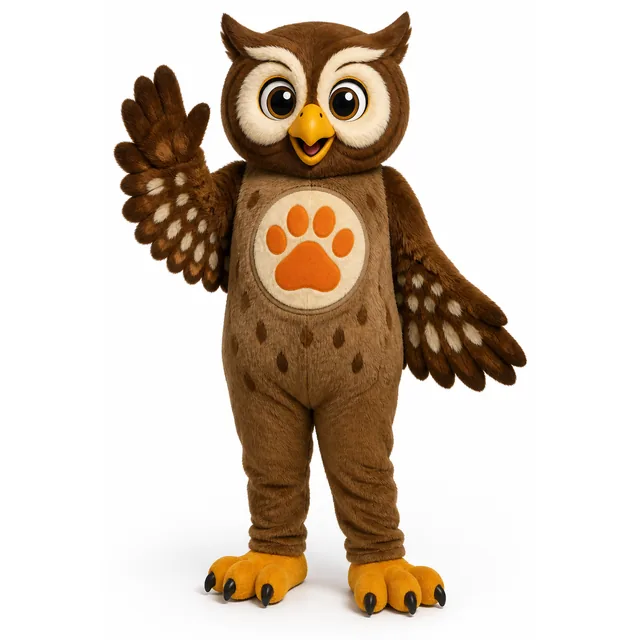
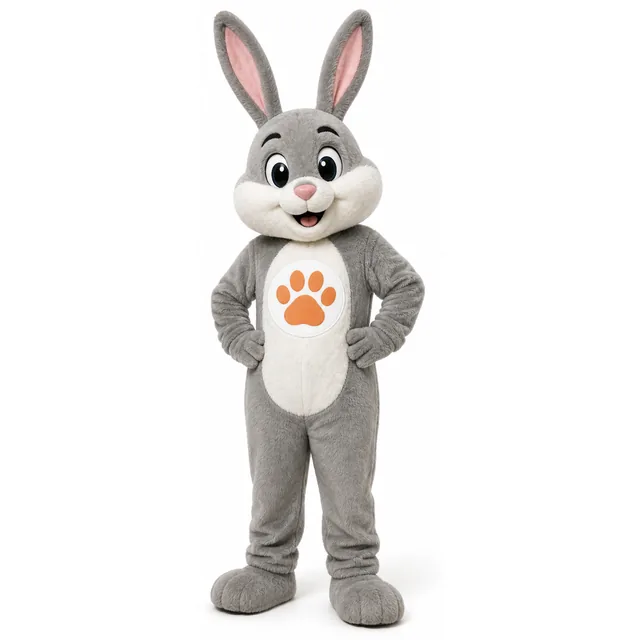
Studio visualisations of our own concepts.

Costume needs attention?
Send a photo of the problem. Half of what people report can be fixed locally with instructions.
We reply within 1 hour on working days
