
 English
 Deutsch
 Polski
 Français
 Čeština
 Nederlands
 Italiano
 Español
Quality, Materials and Compliance
What the things are made of, what gets tested, and which documents arrive with the goods rather than on request.
Materials
- Plush fur
- Synthetic long- and short-pile, OEKO-TEX Standard 100 certified
- Filling
- Virgin polyester fibre — not recycled offcuts, which clump
- Head foam
- Carved polyurethane on a ventilated frame
- Eyes
- Embroidered, or safety-locked plastic pull-tested to EN71-1
- Adhesives
- Solvent-free, no measurable formaldehyde emission
- Dyes
- Azo-free, tested for migration of specific elements
- Fastenings
- Metal, no painted coatings that can chip
- Liners
- Cotton blend, machine washable at 30 °C
What gets tested
Every plush production batch goes to an accredited third-party laboratory before it ships. Not a sample we chose in advance — a batch sample drawn after production.
- EN71-1 — mechanical and physical properties, including pull tests on eyes and seams
- EN71-2 — flammability
- EN71-3 — migration of specific elements from the materials
- Seam strength above the EN71 minimum, because children pull harder than the standard assumes
- Colour fastness to rubbing and to light
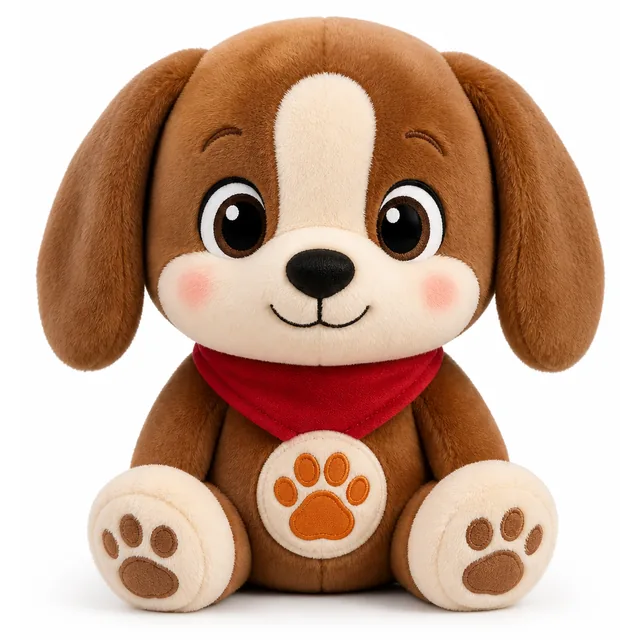
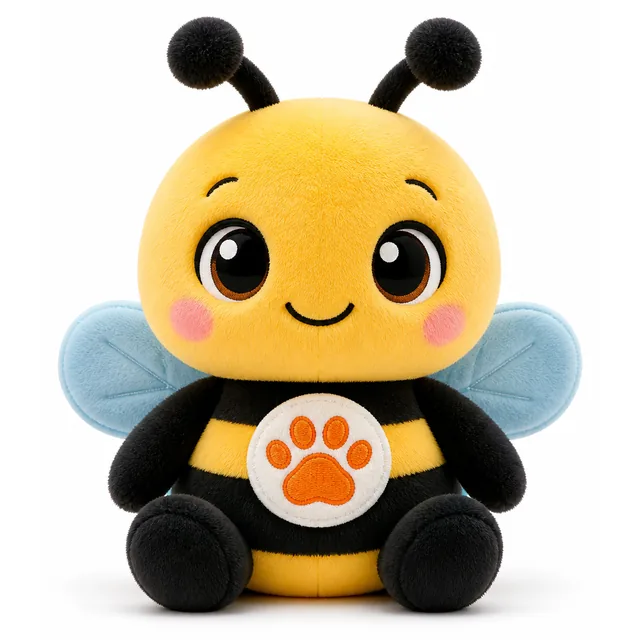
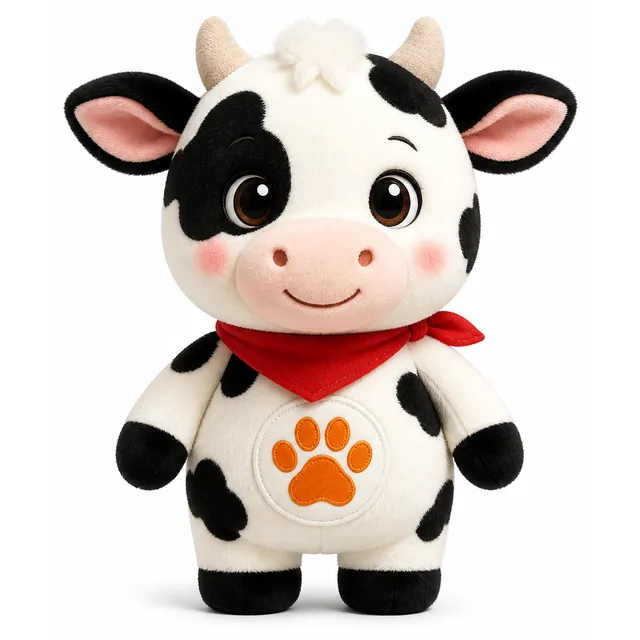
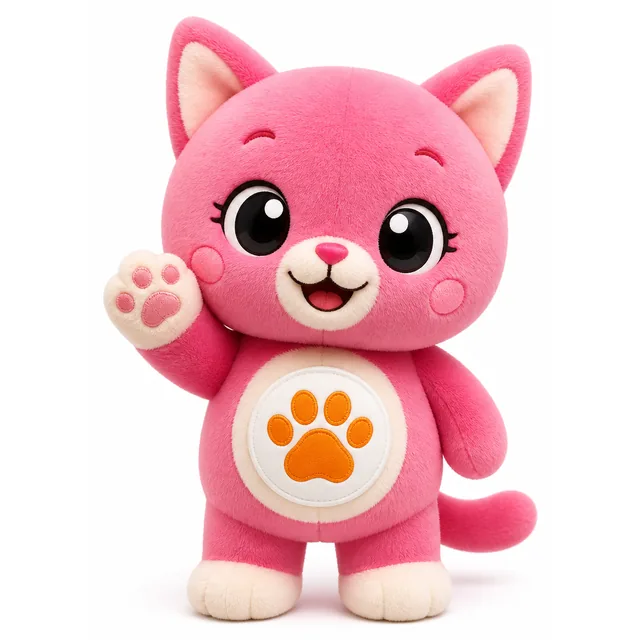
Studio visualisations of our own, showing the finish we aim for in mascot costumes and other custom mascots.
EN71 and CE
Plush toys sold in the EU must meet the Toy Safety Directive 2009/48/EC, and EN71 is how conformity is demonstrated. You receive the test reports and a signed declaration of conformity with every batch, and we keep copies for ten years as the directive requires.
Mascot costumes are not toys. EN71 does not apply to them as products, and any supplier claiming an EN71-certified costume is misreading the standard. What we supply instead is material declarations, flammability data for every fabric used, and CE documentation where the construction requires it.
Care and washing
- Costume outer
- Spot clean with a damp cloth and mild detergent. Never machine wash.
- Costume liners
- Remove and machine wash at 30 °C. Air dry only.
- Head
- Wipe the outer surfaces. Disinfect the inside face pad after each use.
- Drying
- Air dry away from direct heat. A heated room warps foam.
- Storage
- Upright, head supported, in a dry space. Damp storage is the main cause of warranty claims.
- Plush toys
- Hand wash at 30 °C. Reshape while damp.
