 English
 Deutsch
 Polski
 Français
 Čeština
 Nederlands
 Italiano
 Español
How to create an exclusive plush line for a museum shop
Start with one animal or object your visitors already love, design it from your own references, let the curator or keeper approve the sample, and measure how it sells over a season before adding more.
The short answer
- Choose one hero: the animal or object visitors already photograph.
- Design from your references and have the curator or keeper sign off the sample.
- Size it for your shop: the shelf it sits on and the price it must sell at.
- Minimum: 500 pieces per design, whatever the size.
- Lead time: about five weeks for design and sample, then 8–12 weeks for production, including laboratory testing.
- Measure a season, then extend the line. A repeat order takes 8–10 weeks.
Why not catalogue plush?
A generic penguin from a wholesale catalogue is sold in a hundred other gift shops and online. Visitors notice. It competes on price with every other seller, and it says nothing about the place they have just spent a day in.
A toy designed from your own animal or exhibit can only be bought from you. It carries the institution’s name home, it holds its price because there is nothing to compare it with, and it gives the shop a product the education team can talk about. The design and the rights belong to the institution, so it stays exclusive.
References and sign-off
Keepers and curators notice what a designer may not: the shape of an ear, the number of toes, the markings on a particular individual, the right colour of a beak. Collect references before the design starts:
- photos of the animal or object from the front, side and back;
- close-ups of the details visitors know well;
- any illustrations or signage the institution already uses;
- the name of the person who approves accuracy.
Agree early how far the toy may be stylised. A plush is not a scale model: proportions are softened so the toy is pleasant to hold and safe to sew. The specialist’s job is to say which simplifications are acceptable and which would be a mistake. The sample is the moment for that conversation, before anything is produced. It is paid separately and credited against the production order.
If you want a mascot that also appears on signage and in the education programme, the design work is a little wider. How to design a brand mascot covers turnaround sheets and usage rules.
Sizes for the shelf and the till
Size is the biggest single factor in the unit price, so start from the shop, not from the drawing. Measure the shelves, the display baskets and the space by the till, and note the price points that already sell.
| Role in the shop | What it needs to do |
|---|---|
| Till size | Small, light, an impulse buy for a child with pocket money |
| Shelf size | The main gift; recognisable from across the shop, fits the shelf depth |
| Large display | A showpiece that draws people in; few are sold, so treat it as an extra |
Each size counts towards the 500-piece minimum separately. For a first order, one size is usually enough. The pricing page and how much custom plush costs explain what moves the unit price and how quantity breaks work.
Labels, barcodes and the story
In a museum or zoo shop, the tag does more work than usual. It carries:
- the institution’s name and logo;
- a barcode in the format your till system reads;
- the age warning and care text required for a toy;
- a short story: the name of the real animal, where the species lives, or what the object is.
The story is what turns a soft toy into a souvenir. Keep it short and let the education or collections team write it. A sewn-in label with your name stays on the toy after the hang tag has gone.
Materials and packaging
Many institutions have sustainability commitments, and visitors expect the shop to follow them. If recycled filling, recycled fabric or plastic-free tags matter to you, put that in the brief from the start and ask which options can be supplied and tested for your toy. Materials affect both the price and the test reports, so they cannot be swapped at the last minute.
Embroidered eyes instead of fitted ones mean fewer plastic parts and suit the youngest visitors. Card hang tags avoid plastic fasteners where the design allows. Whatever the materials, every batch is tested to EN71-1, -2 and -3 and ships with a CE declaration of conformity. See EN71 and CE: what applies to what.
Start with one hero
A full line of ten species is a large stock risk for a first order. One hero animal in one size lets the shop test the idea with 500 pieces and learn:
- how quickly it sells in high season and in quiet months;
- which visitors buy it: children, parents, school groups, adults for themselves;
- whether the price point is right;
- where in the shop it sells best.
After a season you have real sell-through numbers instead of guesses. The next order can add a second size, a second species or small items in the same style. A repeat order from the existing pattern costs less and takes 8–10 weeks, because the tooling is already made.
Timing for the season
Work back from the date the stock must be on the shelf. About five weeks go on design and an approved sample, then 8–12 weeks on production and delivery, including laboratory testing that cannot be shortened. Add time for the specialist to review the sample and for internal approvals, which in public institutions can take longer than the production itself.
For a spring or early-summer season, start the autumn before. We are a Polish company with our own workshop in Poland and ship from inside the EU, so EU institutions receive the goods without import duty. Prices on our site include VAT; VAT-registered buyers in another EU member state are invoiced with reverse charge after the number is checked in VIES.
Questions people ask
Can a museum or zoo have a plush that no other shop sells?
Yes. A plush designed from the institution’s own animal or exhibit belongs to the institution: the rights are the client’s, and we do not show or sell the design without permission. It can only be bought in your shop.
What is the minimum order for a museum shop plush?
500 pieces per design, whatever the size. Most shops start with one animal in one size, measure sales over a season, then add sizes and species.
Who approves that the toy is accurate?
Your curator or keeper. They review the references before design and the physical sample before production, and nothing goes into production until the sample is approved in writing.
How long does a new shop plush take?
About five weeks for design and an approved sample, then 8–12 weeks of production and delivery, including EN71 testing. For a summer season, start the autumn before. More on the page for zoos, museums and aquariums.
For reference
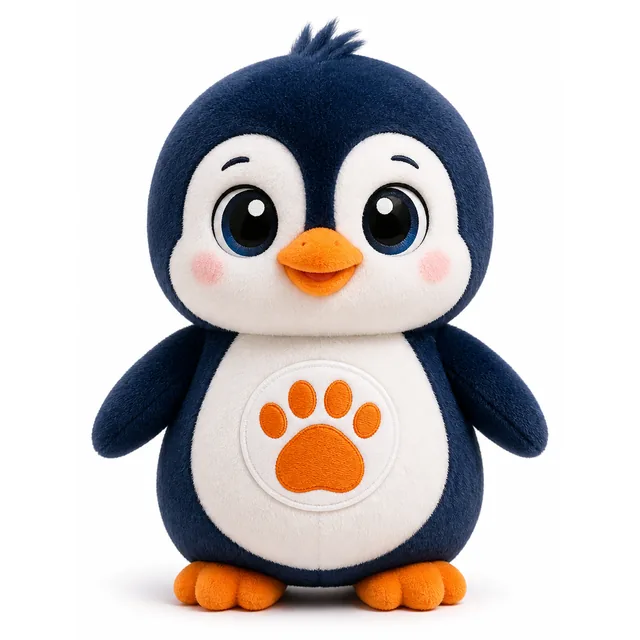
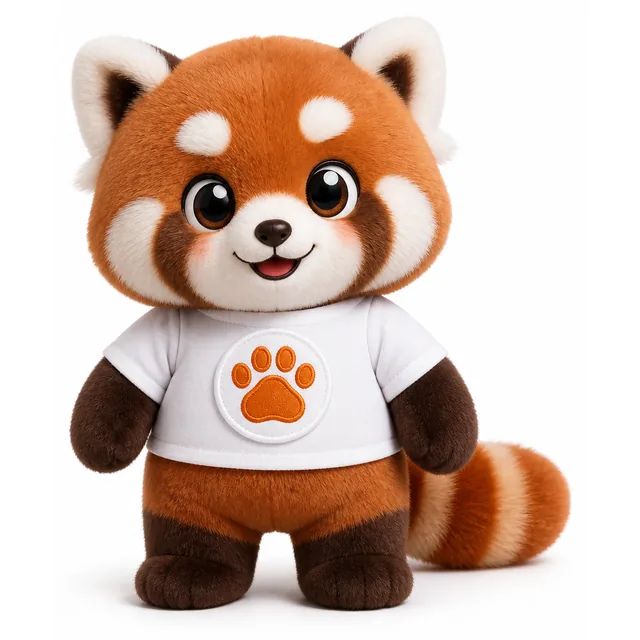
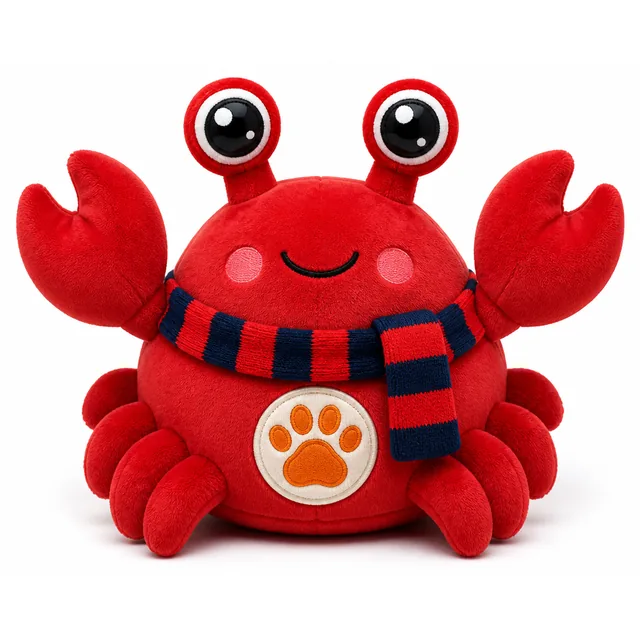
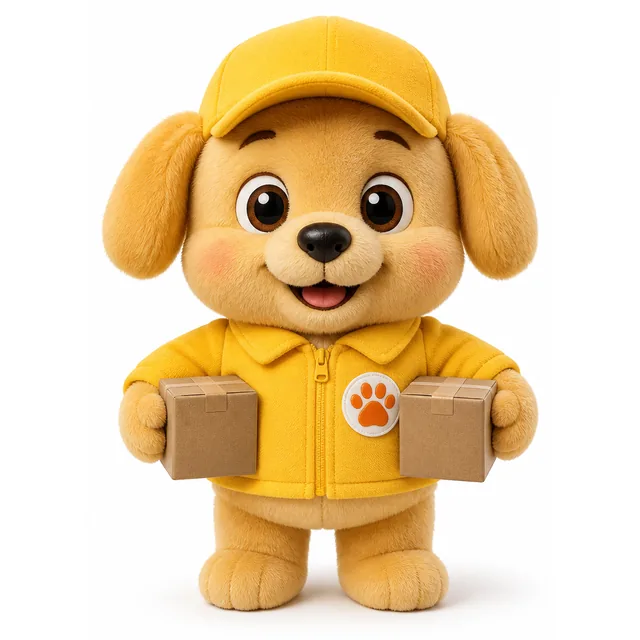
Studio visualisations of our own concepts.
Planning a shop line?
Send references, the size and your season date. You get the unit price at two quantity breaks within two working days.
We reply within 1 hour on working days
